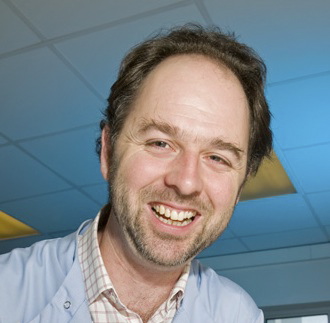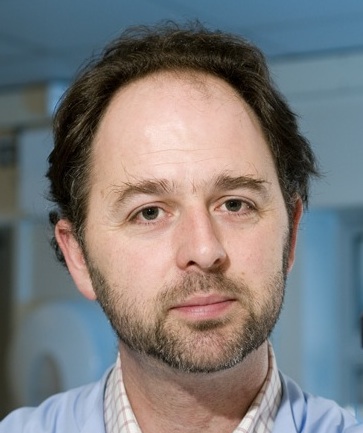
A small set of possible biographies are provided below with different slants for conference programs etc.
Short version
Cameron Neylon is and researcher and advocate for positive change in knowledge production. Cameron’s work has focused on how research institutions function and can be improved, and how to make the internet more effective as a tool for scholarship. He writes and speaks regularly on scholarly communication, the design of web based tools for research, and the need for policy and cultural change within and around the research community.
From a start as a biomedical scientist Cameron has moved through roles in research infrastructures and publishing, as the first Director of Advocacy at PLOS. From 2015-2024 Cameron was Professor of Research Communication at the Centre for Culture and Technology at Curtin University where he was co-lead on the Curtin Open Knowledge Initiative.
Paragraph with “open” focus
Cameron Neylon is a well known agitator for opening up the processes of research. Current work focuses on technical, governance and social approaches to improving the underlying systems of our research institutions. From 2015-2024 Cameron was Professor of Research Communication at the Centre for Culture and Technology at Curtin University where he was co-founder and co-lead of the Curtin Open Knowledge Initiative. Prior to this Cameron was Director of Advocacy at PLOS and Senior Scientist at the STFC Isis Neutron Facility. Current work focuses on how the cultures of research affect and effect change in research communications, and how technical, governance and social systems can make research and knowledge production processes work better. Cameron was named as a SPARC Innovator in July 2010 for work on the Panton Principles and was a co-author of the Altmetrics manifesto the Principles for Open Scholarly Infrastructures and a drafter of the Barcelona Declaration as well as co-author of the books Open Knowledge Institutions, Reading Peer Review, and Supporting Research Communications: A guide as well as many research articles analysing, theorising and dissecting open research practices.
Photos